
Exploring the Multi-Generational Workforce
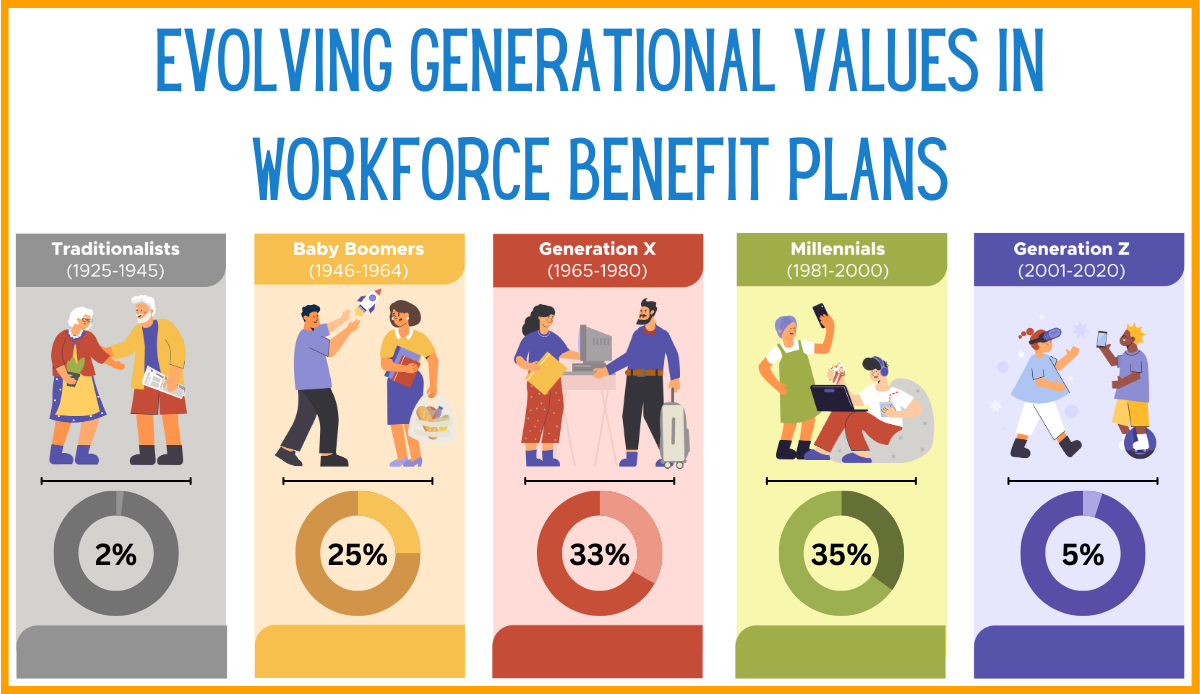
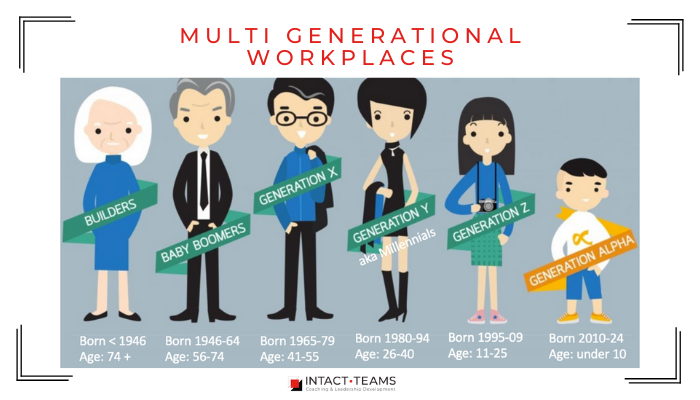
The multi-generational workforce encompasses Baby Boomers, Gen X, Millennials, Gen Z, and Gen Alpha, each bringing unique characteristics and skills. Understanding these traits is crucial for fostering effective collaboration. Baby Boomers are known for their strong work ethic and loyalty, while Gen X is characterized by independence and resilience. Millennials bring tech-savviness and a desire for purpose-driven work, whereas Gen Z values diversity and digital fluency. Emerging Gen Alpha is expected to further enhance technological integration in the workplace.
Challenges in a multi-generational workplace often arise from differing communication styles, technology adoption rates, and value systems. For instance, Baby Boomers may prefer face-to-face communication, whereas Millennials and Gen Z are inclined towards digital communication. Bridging these gaps is vital for maintaining a harmonious work environment.
Despite these challenges, generational diversity offers substantial benefits. It fosters a rich exchange of ideas, enhances problem-solving capabilities, and boosts creativity. Diverse teams can leverage the broad spectrum of experiences and perspectives each generation brings, leading to more innovative solutions and a competitive advantage.
Strategies for effective intergenerational collaboration include fostering an inclusive culture that values each generation’s contributions, implementing mentorship programs, and promoting flexible work arrangements. These strategies help in harnessing the strengths of each generation and mitigating potential conflicts.
Looking to the future, trends suggest a continued increase in workforce diversity with growing emphasis on adaptability and lifelong learning. Organizations will likely focus on creating environments that not only support but thrive on generational differences, leveraging technology to bridge gaps and promote inclusivity.
This report has been prepared using content written in english from academic papers, credible web sites, global and niche news sources and wiki. Content and language choices can be finely focused by users with access to corpora.ai advanced features.
 Q&A Summaries
1. Characteristics of Each Generation
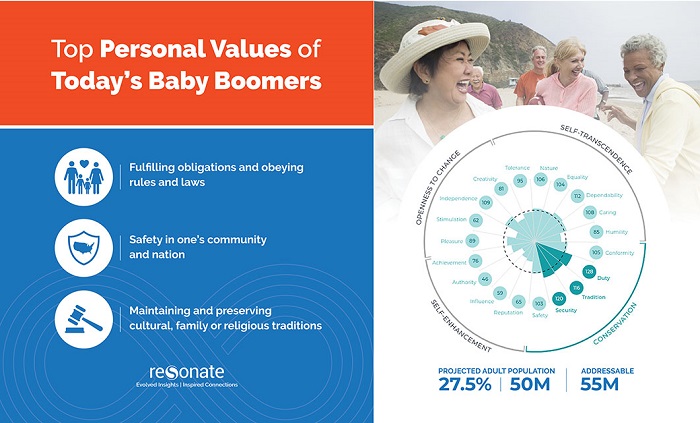


The multi-generational workforce includes Baby Boomers, Generation X, Millennials (or Gen Y), and Generation Z, each of which brings distinctive characteristics, values, and attitudes toward work. Baby Boomers, often characterized by their strong work ethic, are known for their commitment and drive, viewing work as a source of personal fulfillment and self-worth 1. They are typically seen as workaholics who value hierarchy and have extended workweeks considerably 2. They also have a preference for tangible rewards and have historically been less inclined toward work-life balance compared to younger generations 3.
Generation X, born between 1965 and 1980, tends to prioritize work-life balance, financial stability, and self-reliance over the loyalty to one company that is often associated with Baby Boomers 5. Gen Xers value flexibility and creativity in the workplace 3, which aligns with their inclination to 'work to live' rather than live to work 4. They are often described as the 'latchkey' generation, having been influenced by high divorce rates and dual-income households 6.
Millennials, also known as Generation Y, are generally less willing to work long hours compared to their predecessors, seeking a balance between work and personal life. They prefer bosses who look out for them, which reflects a shift from ambition to a focus on interpersonal relationships at work 7. They are also more open to flexible work arrangements and often value work that aligns with their personal values 8. Millennials have grown up in a digitally advanced environment and thus bring an affinity for technology into the workplace 9.
Generation Z, or Gen Z, is starting to enter the workforce in larger numbers. They are recognized as digital natives, having grown up with the internet and digital technology 2. They seek greater flexibility and learning opportunities, desiring fast-paced and dynamic work environments 10. Gen Z values diversity and inclusion, and their work preferences often align with those of Millennials, though they are more competitive and driven, possibly due to being raised in a post-recession era with less financial security 11. These generational distinctions can sometimes lead to workplace conflicts, as each generation's unique experiences shape their expectations and behaviors at work 12.
2. Challenges in a Multi-Generational Workplace


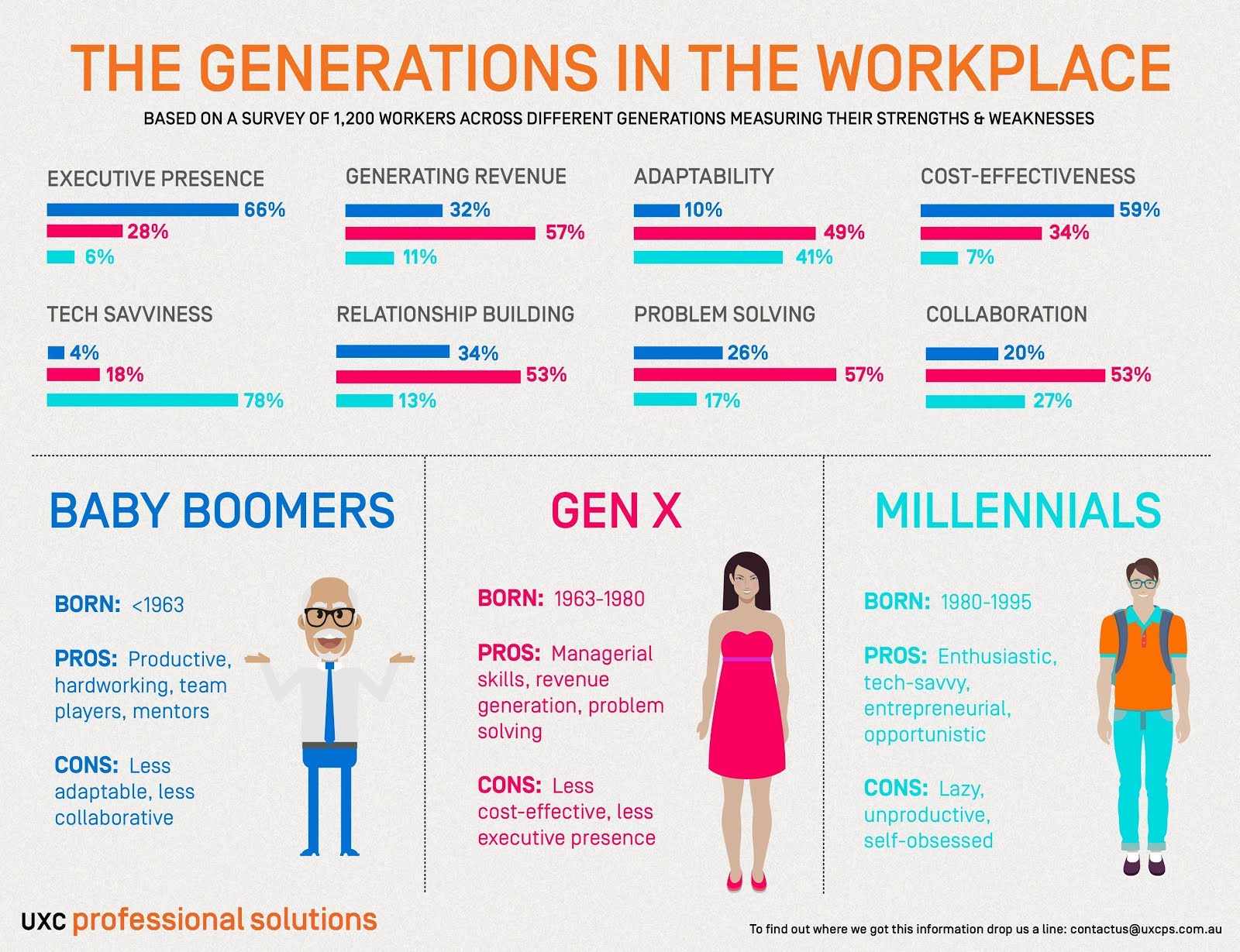
Challenges in a multi-generational workplace arise significantly from the diverse preferences, values, and technological proficiency across different generations. Generation Z, or Gen Z, known for their digital nativeness, is the most adept at integrating technology into their professional lives. This characteristic sets them apart from older generations, who may not possess the same level of comfort with digital tools and platforms 13 14 15. A study has shown that Gen Z professionals often trust AI-driven solutions more than human managers, citing biases as a major concern. This shift towards artificial intelligence and technology is a point of contention as it contrasts with the preferences of Baby Boomers and Gen X, who may value traditional management and decision-making processes 16 17.
Furthermore, Gen Z is characterized by their readiness to incorporate AI in their workflows, which is seen as an attractive trait by business leaders aiming to harness their potential within multigenerational teams 18 19. However, integrating Gen Z into these teams presents challenges as each generation brings its own unique perspective on communication and workplace norms. For instance, Gen Z's preference for digital communication contrasts with the face-to-face interaction valued by Baby Boomers, leading to potential misunderstandings or conflicts in communication styles 20 21.
These generational differences extend beyond communication to affect workplace satisfaction and productivity. Gen Z employees, reportedly less satisfied with their workplace environments, may interpret many tasks as illegitimate, which can lead to disengagement or work withdrawal behaviors. This contrasts with older generations who might have different thresholds for what they consider legitimate work, potentially causing friction and misalignment in team dynamics 22 11.
Moreover, understanding Gen Z's consumer patterns, which emphasize digital engagement and quick adaptability, poses a challenge for businesses that must pivot their strategies to accommodate this demographic's expectations. As the workforce continues to evolve with Gen Z's growing presence, companies are increasingly tasked with developing strategies that bridge the generational gap and align technological advancements with the values of all employees 12 13.
Additionally, differences in attitudes towards technology and its integration in the workplace are not just challenges but opportunities for growth and innovation. Embracing these differences and fostering environments that leverage the strengths of each generation can lead to more cohesive and productive workplaces. Businesses that effectively integrate Gen Z's technological prowess with the experience and institutional knowledge of older generations stand to benefit greatly 14 15.
3. Benefits of Generational Diversity
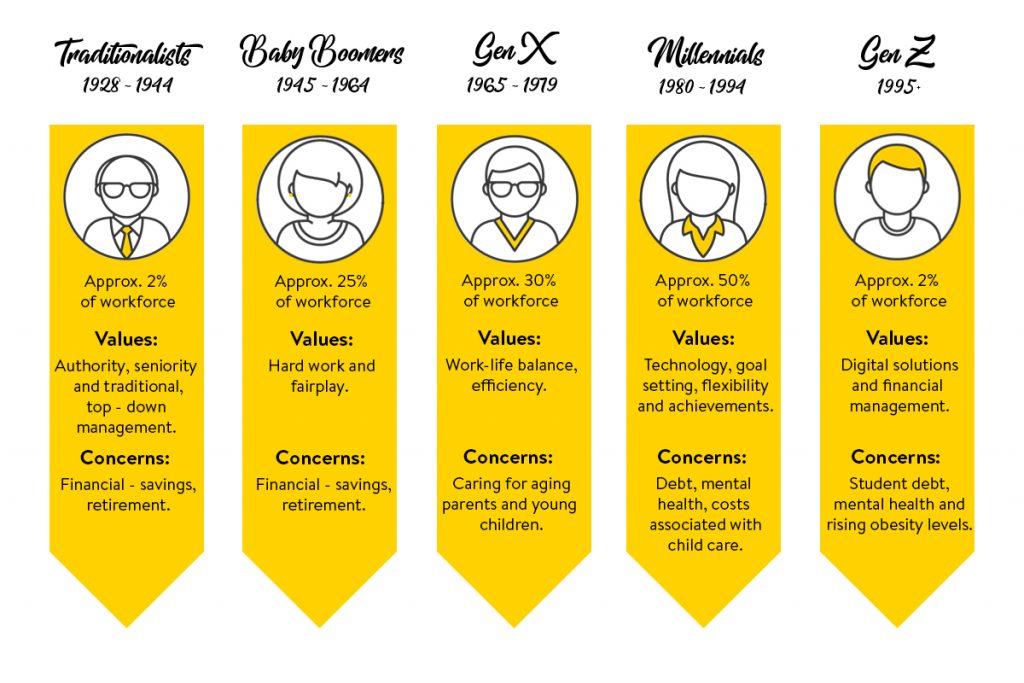
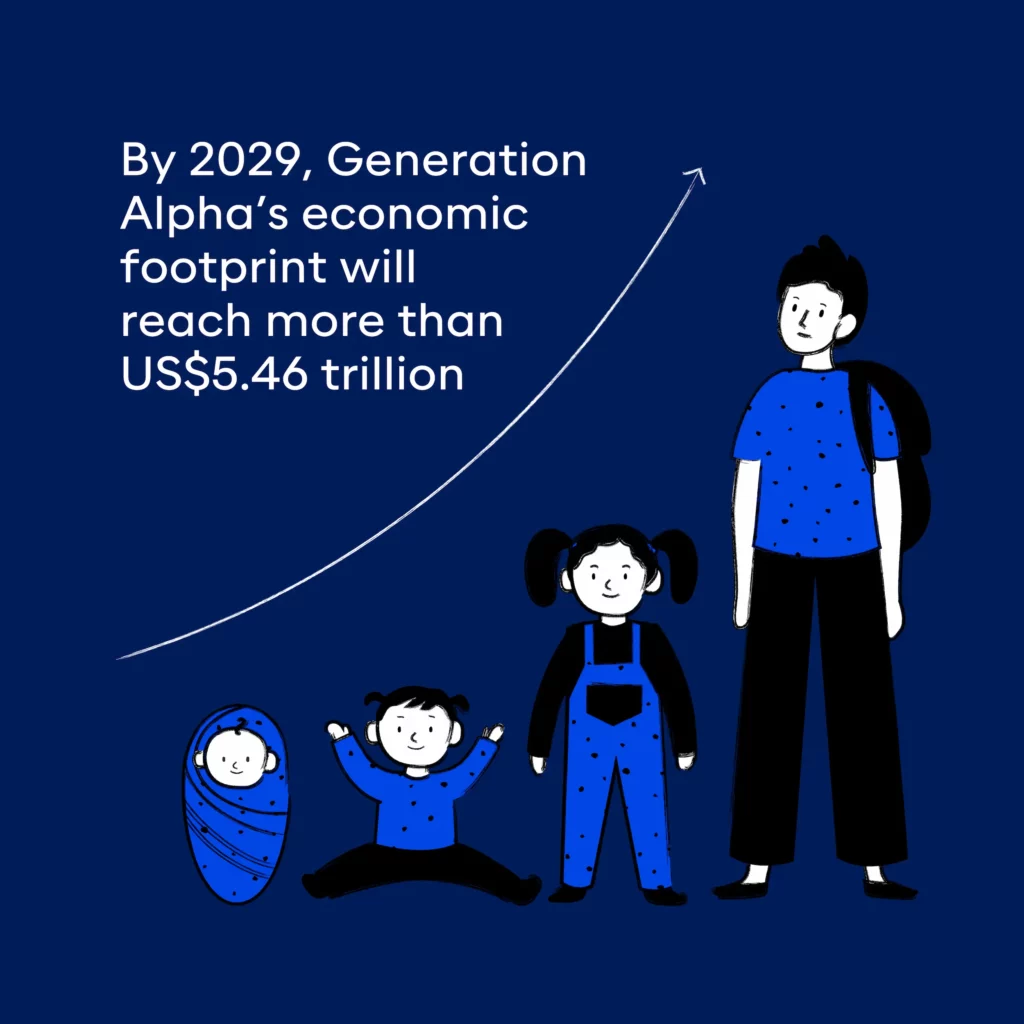
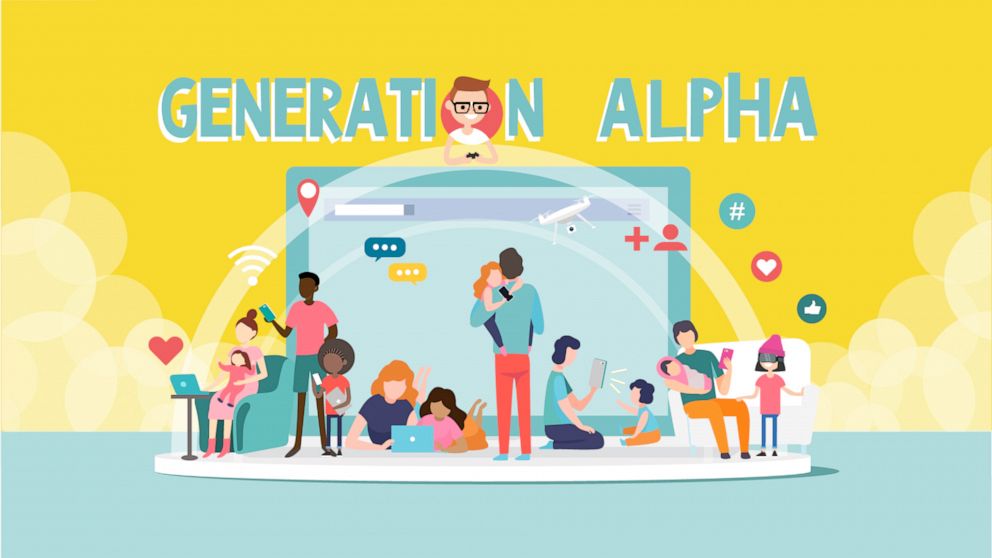

Generational diversity in the workforce is an emerging topic with significant implications for business and innovation. Organizations embracing a multigenerational approach can unlock potential in workforce dynamics and cultural development. As Gen Alpha prepares to enter the workforce, they are seen as pivotal players in redefining business strategies, alongside Gen Z and Millennials 23 24. This new cohort is expected to push for greater inclusivity and adaptability in workplace environments. A growing awareness of generational diversity has been noted across various industries, including the fashion and manufacturing sectors, as it presents opportunities for innovation and leadership advancement 25 24. Companies are adapting to the expectations of younger generations, such as Gen Z and Gen Alpha, who demand satisfying digital employee experiences and flexible work environments 26 24. Gen Alpha, in particular, has been identified as a significant future consumer base and workforce segment, born into a rapidly changing technological and societal landscape 31 33. Organizations are advised to prepare for this by fostering a culture of mentorship, where Baby Boomers and Gen X share their experiences with younger generations to ensure a smooth transition into the evolving workplace 27 28. This multigenerational interaction encourages a two-way mentorship process that can benefit all parties involved, promoting innovation and inclusivity within corporate structures 26 28. The need for generational diversity is not only a strategic advantage but also a necessity in bridging the gap between varying age groups, as this diversity fosters a more inclusive and innovative workplace culture 29 32. By tapping into the unique strengths of each generation, businesses can enhance their competitive edge in the global market. Acknowledging and leveraging these generational differences are essential for future success, as organizations aim to attract and retain top talent 30 33. Embracing generational diversity allows for a richer organizational culture that promotes inclusivity and innovation, ultimately positioning companies for long-term success 32.
4. Strategies for Effective Intergenerational Collaboration

Effective intergenerational collaboration requires understanding the unique characteristics and preferences of each generation. Millennials and Gen Z, for instance, are more inclined towards digital communication tools and online collaboration, which significantly shape their interactions in the workplace. These younger generations prefer the use of online collaborative tools as part of their working routine, which is indicative of their comfort and familiarity with digital environments 37. Additionally, they value authenticity in their work and prioritize genuine interactions over mere aesthetic appearances, which is an essential factor for businesses to consider when developing strategies for intergenerational teamwork 35.
The integration of Environmental, Social, and Governance (ESG) goals into organizations' Employee Value Propositions (EVP) can help in attracting and retaining younger talent, particularly Gen Z and Millennials, who prioritize such commitments from their employers 38. A focus on ESG not only facilitates engagement with these younger cohorts but also empowers them to educate and guide newer generations, enhancing collaborative efforts across age groups 34.
Creating spaces and communities that harness the energy and drive of Millennials and Gen Z is crucial for fostering effective collaboration. This generation's inclination towards non-traditional communication methods, such as instant messaging over face-to-face meetings, aligns with their need for flexibility and creativity in their professional environments 39. Moreover, by embracing diversity of thought and unified communications, organizations can achieve more productive multigenerational workplaces 40. This approach ensures that different generational perspectives are acknowledged and integrated into collaborative efforts, promoting a more inclusive and innovative work culture.
The cultural and technological shifts that have influenced Millennials and Gen Z also play a role in shaping their workplace preferences. As these generations have grown amidst significant political and cultural changes, they have developed distinct attitudes towards work and collaboration. This historical context is vital for understanding their priorities and how they engage in the workforce 36. Furthermore, establishing environments that encourage creativity and innovation by leveraging the strengths of each generation can lead to more effective collaboration and improved task performance 41.
Overall, successful intergenerational collaboration hinges on recognizing and adapting to the diverse needs and strengths of each generational group. By implementing strategies that promote inclusivity, sustainability, and digital proficiency, organizations can bridge generational gaps and enhance collaboration across the workforce.
5. Future Trends in Generational Workforce


As the generational workforce continues to evolve, future trends are emerging that will significantly impact how different generations interact and collaborate in the workplace. The integration of Generative AI is expected to play a pivotal role, particularly as younger generations lead the way in adopting and utilizing these technologies. This trend raises questions about how businesses can support a multigenerational workforce in the digital age 43.
Millennials and Gen Z are making up a larger portion of the workforce, prompting organizations to adapt to their expectations and work styles. In particular, the banking sector is seeing a shift, as millennials are expected to form a significant part of the industry's workforce soon. As such, banks are becoming more proactive in managing talent and adapting to these generational shifts 42.
Understanding generational differences is critical for bridging gaps in the workplace. This is evident in sectors like nursing, where generational diversity is acknowledged to improve health and professional outcomes. As the workforce becomes more diverse, it is crucial to address different work expectations to foster better outcomes for both employees and organizations 3.
Moreover, the concept of a generational change is evident in the tech-savvy younger workers who are adept at using digital technologies. These workers are fostering a culture open to technological changes, which necessitates businesses to adapt their strategies accordingly 44.
Organizations are also facing the challenge of enabling multigenerational workforces to adapt to new technologies. Resistance to new technologies can hinder enablement adoption, highlighting the need for effective strategies to integrate different generational needs and technological advancements 45.
The hybrid work model is another significant trend impacting the generational workforce. This model supports flexibility and caters to the diverse needs of employees across generations, promoting work-life integration and employee satisfaction 46. As the world transitions to hybrid work environments, organizations need to reconsider their work models to ensure inclusivity and effective collaboration 47.
Finally, the influence of AI in the workplace is also a crucial factor. Gen Z and Gen Alpha's use of AI reflects a generational shift towards more technologically driven work environments. The younger generations' familiarity with digital tools is reshaping how organizations approach training and integration strategies 48.

 Explore
  Drilldown